
How to Trade Forex: Step-by-Step Beginner’s Roadmap
To begin trading forex can be intimidating at first because you will see many new and unfamiliar terms, such as “pairs,” “pips,” “leverage,” and “broker,” which will leave you with a dizzying feeling. We understand that you are looking for guidance on how to trade in the forex market without being confused by a lot of terms or hype.
We analysed top guides from CMC Markets, Saxo, BabyPips, Investopedia, and insights from real traders on Reddit to create a simple, step-by-step roadmap. By the end of this guide, you’ll understand how forex works, how to get started safely, and the common traps beginners fall into. Let’s cut through the noise.
What Is Forex Trading?
Forex, or foreign exchange, is the market where one currency is traded for another. You don’t actually own the currency; you’re speculating whether it will rise or fall against another.
The forex market is the largest financial market in the world, running 24 hours a day, five days a week. That means prices move constantly. This creates profit opportunities, but also real risk. Many beginners lose money early simply because they underestimate how fast the market can move.
How Forex Trading Actually Works
Currency Pairs Explained
Forex is always traded in pairs, like EUR/USD or GBP/JPY. The first currency in the pair is the base, and the second is the quote. You buy a pair if you think the base currency will strengthen, and sell if you think it will weaken. Reddit is full of stories about unregulated brokers delaying withdrawals or refusing them entirely. Choosing a regulated broker protects your money and ensures fair rules.
Buy vs Sell Positions
Buying is simple: you expect the base currency to rise. Selling is the opposite. Sounds easy in theory, but economic news, interest rates, and global events make real trading more complicated.
Trading Hours and Market Sessions
The forex market has different sessions depending on the region. The London-New York overlap usually sees the most activity, tighter spreads, and better liquidity. Beginners often find these periods easiest to read and trade.
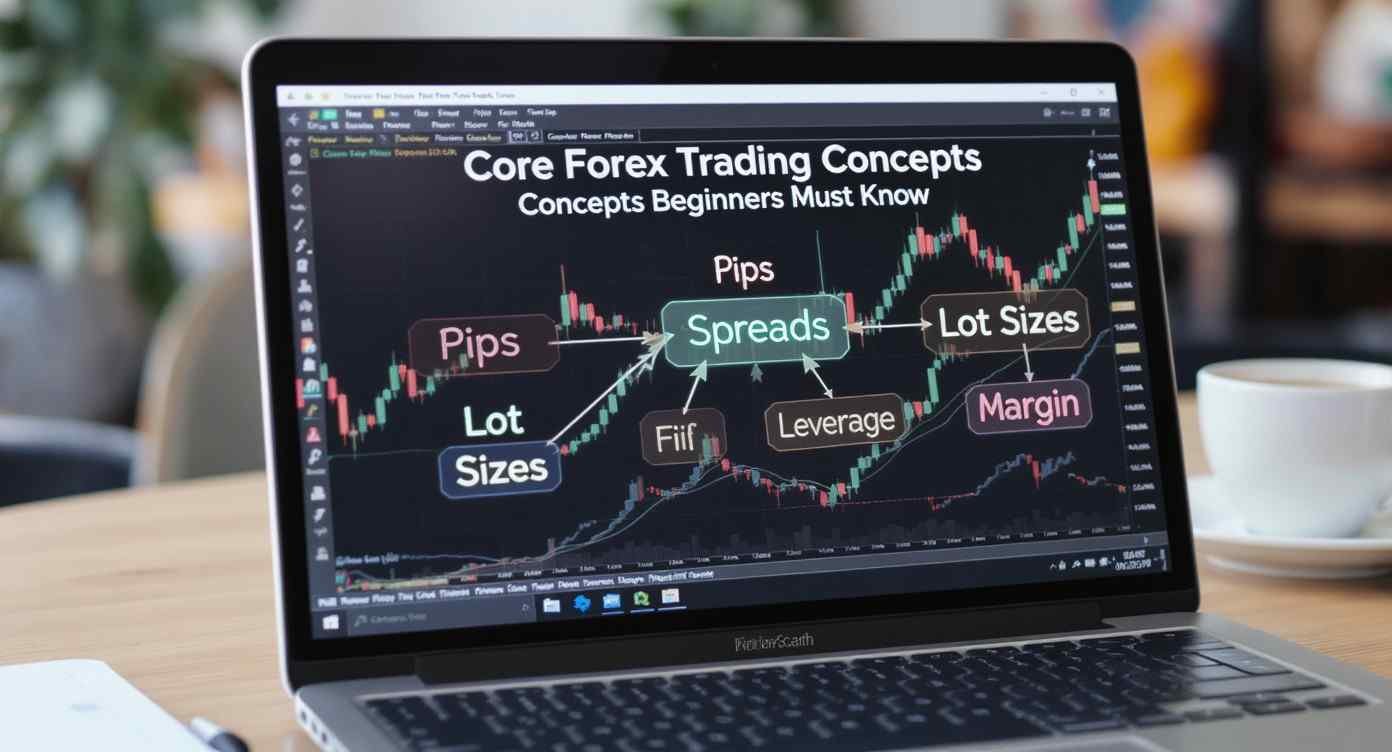
Pips, Spreads, and Lot Sizes
- Pips are the smallest movement in a currency pair.
- Spreads are the cost of entering a trade, varying by broker and pair.
- Lot sizes determine how much currency you control.
If you start with $100, micro lots are ideal; they limit risk while you learn. Small trades let you practice without wiping out your account.
Leverage and Margin
Leverage can magnify gains and losses. High leverage might look attractive, but it can deplete your account faster than you expect. Always focus on risk first, not potential reward.
Order Types and Execution
- Stop-loss orders protect you from large losses.
- Take-profit orders lock in gains.
Skipping these is a common beginner mistake. Without them, one bad trade can erase weeks of progress.
How to Start Forex Trading Step by Step
Choosing a Regulated Broker
Regulation matters. Unregulated brokers are behind many horror stories on Reddit, from delayed withdrawals to disappearing funds. A broker regulated by a real authority ensures your money is safer and that trading rules are enforced fairly.
Demo Accounts vs Live Trading
Always start with a demo account. Practising with virtual money builds skill without emotional stress. Reddit traders consistently advise learning in demo mode before risking real money.
Selecting Currency Pairs as a Beginner
Focus on major pairs like EUR/USD, GBP/USD, or USD/JPY. These pairs have tight spreads and high liquidity, which makes trading simpler and cheaper for beginners.
Risk Management Fundamentals
Position Sizing and Capital Protection
Never risk more than 1–2% of your account on a single trade. This prevents one loss from destroying your capital and gives you room to learn safely.
Using Stop-Loss and Take-Profit Orders
Stop-loss and take-profit are non-negotiable tools. Skipping them is like driving blind. They are your safety net against large losses.
Common Beginner Mistakes to Avoid
- Switching strategies too quickly: Pick one approach, master it, and stick with it.
- Ignoring risk management: Many new traders learn the hard way that this is non-negotiable.
- Trading without a plan: A trading journal and clear rules are crucial for progress.
How to Trade a Forex Demo Account
Demo accounts mirror live market prices, letting you practice trade execution, chart reading, and risk control. Treat your demo like real money:
- Record every trade.
- Review wins and losses.
- Learn what works and what doesn’t.
Reddit pros recommend months of practice in demo before touching live cash.
FAQs
How to Start Trading Forex?
Pick a regulated broker with a demo platform. Learn the basics, practice in demo mode until consistent, then start a small live account.
How Do I Teach Myself Forex Trading?
Use structured resources like BabyPips, Investopedia, and Reddit communities (r/Forex). Learn one strategy, backtest it, and practice in a demo. Focus on risk management and consistency.
What Is the 5‑3‑1 Rule in Trading?
Focus on your top 5 setups, apply 3 risk checks, and stick to 1 strategy at a time. It helps reduce emotional trades and builds discipline.
Is $100 Enough to Start Forex?
Yes, but it limits trade size and flexibility. Use micro lots and strict risk control. Treat $100 as learning capital, not profit capital.
How to Deposit in a Forex Trading Account?
Most brokers accept bank transfers, credit cards, and e-wallets like Skrill or Neteller. Always check fees before depositing.
How to Trade a Forex Demo Account?
Open a demo with your chosen broker. Practice entries, exits, stop-losses, and take-profits. Track all trades in a journal and review weekly.
Conclusion
If you want to be successful in currency trading, you have to go through all the necessary stages, including the right training as well as the practice of good behaviour, and of course, the use of good risk management methods and the establishment of a solid basis through the reverse compounding technique.
Start off with low-risk trades and work your way up. Focus on one strategy at a time, keep an account journal for recording and analysing trade activity, and continue ongoing education by researching new trends in currency trading. Using this template will guide you toward making good, consistent profits while trading currency, as opposed to simply wondering how to trade.