
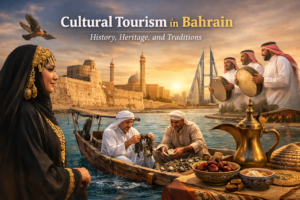
What is cultural tourism in Bahrain?
Bahrain is a center for cultural tourism in the Gulf. This island nation holds a deep history, visible in ancient forts, lively markets, and modern museums. For culture lovers, Bahrain cultural tourism offers a direct path to understanding the heritage of the Arabian Gulf. This guide explains the key sites, experiences, and practical tips for your visit.
Bahrain cultural tourism focuses on engaging with the nation’s history, traditions, and living culture. It moves beyond beaches to explore archaeological sites, traditional architecture, local arts, and community events. Visitors participate in an authentic experience of Bahraini life.
Defining Bahrain’s unique cultural identity
Bahrain’s cultural identity is built on its long history as a trading hub and pearl diving center. This created a blend of Arab, Persian, Indian, and African influences. You see this mix in the food, language, music, and architecture. The identity is both ancient, from the Dilmun civilization, and modern, seen in Manama’s art scene.
Why Bahrain is a premier GCC heritage destination
Within the Gulf Cooperation Council (GCC), Bahrain stands out for its accessible history. It has UNESCO World Heritage Sites like the Bahrain Fort. The compact size makes it easy to see ancient burial mounds, a former capital city, and a traditional souk in one day. For heritage travel, Bahrain provides a concentrated experience.
Top Cultural and Heritage Sites in Bahrain
The core of any Bahrain cultural tourism plan is visiting its heritage sites. These locations tell the story of the islands from ancient times to the present.
Exploring the Bahrain Fort (Qal’at al-Bahrain)
The Bahrain Fort, or Qal’at al-Bahrain, is a UNESCO World Heritage Site. The fort you see today is Portuguese, built in the 16th century. However, the site itself is an archaeological tell, with layers of history dating back to 2300 BC from the Dilmun civilization. Walking the ramparts offers views of the sea and the capital. An on-site museum explains the excavations.
The history of Muharraq, the former capital
Muharraq was Bahrain’s capital until 1921. It is the heart of the nation’s pearling history, which was the basis of its economy. The Pearling Path, another UNESCO site, is a 3.5 km trail connecting key buildings: merchant houses, a mosque, and the old souq. Restored homes like the Bahrain Culture Center at Sheikh Ebrahim bin Mohammed Al Khalifa Center show traditional Gulf architecture.
Bahrain National Museum: A cultural cornerstone
The Bahrain National Museum in Manama is essential. It provides context for all other sites. Its halls cover ancient Dilmun artifacts, traditional handicrafts, and customs. The museum displays burial mound relics, copper tools, and manuscripts. It is the best starting point to understand the depth of Bahrain’s cultural tourism offerings.
Experiencing Authentic Bahraini Culture
True Bahrain cultural tourism involves engaging with living traditions. This means visiting markets, tasting local food, and joining celebrations.
Traditional markets (souqs) and local crafts
The Manama Souq and Muharraq Souq are active commercial centers. Here, you can see traditional crafts. Look for woven baskets, pottery, and textiles. The gold souq in Manama is famous. Engaging with shopkeepers is part of the experience. These markets are not just for tourists; they are daily life for residents.
Bahraini cuisine: A taste of cultural heritage
Food is a direct link to culture. Bahraini cuisine features rice, fish, dates, and spices. Key dishes include machboos (spiced rice with meat or fish) and muhammar (sweet brown rice with dates or sugar). Try these at local restaurants or during a cultural event. Coffee (gahwa) served with dates is a traditional sign of hospitality.
Festivals and cultural events throughout the year
Timing your visit with an event enriches your trip. The Spring of Culture festival brings music, art, and theater to historic venues. The Bahrain International Music Festival showcases global and local artists. Religious holidays like Eid see public celebrations. Check the Bahrain Tourism and Exhibitions Authority calendar before you plan.
Culture-Focused Tourism Itineraries for Visitors
Planning your time well lets you see the best of Bahrain’s heritage. Here are sample itineraries for different trip lengths.
A one-day cultural immersion in Manama
Start at the Bahrain National Museum. Then, visit the nearby Bahrain Fort (Qal’at al-Bahrain). For lunch, go to the Manama Souq for authentic food. In the afternoon, see the Al-Fateh Grand Mosque (on a guided tour) and finish with a walk along the Bahrain Bay waterfront. This day covers major heritage sites and modern Manama.
A weekend heritage trail through Muharraq
Day one focuses on Muharraq. Walk the Pearling Path, visit the Sheikh Ebrahim Center, and explore the souq. On day two, travel to the ancient burial mounds at the A’ali Burial Mounds field. Then, visit the restored Arad Fort. This itinerary dives deep into historical Bahrain culture.
Planning a longer cultural exploration
A week allows a complete Bahrain cultural tourism experience. Combine the Manama and Muharraq itineraries. Add a trip to the Tree of Life, an isolated 400-year-old tree in the desert. Visit the Oil Museum to understand modern economic history. You can also take a day to relax at a beach or visit Green Island, Kuwait, to see a different Gulf cultural project.
Practical Tips for Your Cultural Tourism Journey
Good planning makes your cultural visit smoother and more respectful.
Best times to visit cultural sites
The best time for outdoor heritage sites is from November to March. The weather is mild. Summer months (June to September) are extremely hot and humid, making extended outdoor tours difficult. Visit museums and indoor sites in the summer heat. Sites are generally less crowded on weekdays.
Respectful engagement with local traditions
Bahrain is modern but conservative. Dress modestly, especially when visiting mosques, souqs, and older districts. Shoulders and knees should be covered. Always ask permission before taking photos of people. During the holy month of Ramadan, be discreet about eating and drinking in public during daylight hours.
Guided tours vs. independent exploration
Guided tours are valuable at complex sites like the Bahrain Fort or for the Pearling Path, where a guide explains the history. Museums offer audio guides. For souks and cafes, independent exploration lets you set your own pace. A mix of both is often the best strategy for Bahrain cultural tourism.
Common Mistakes in Bahrain Cultural Tourism Planning
Avoid these errors to have a better trip.
Overlooking lesser-known heritage gems
Tourists often only visit the Bahrain Fort and the National Museum. Do not miss sites like the Beit Al Quran, a museum for Islamic manuscripts, or the Royal Camel Farm. The Khamis Mosque, one of the oldest in the region, is also significant. Research beyond the top three listings.
Underestimating travel time between sites
Bahrain is small, but traffic in Manama can be heavy, especially during rush hours. A site that looks close on a map might take 30 minutes to reach. Factor in traffic when planning your daily schedule. Allow more time than you think you need.
Missing key cultural events and seasons
Coming during a major festival can define your trip. Conversely, arriving in the peak of summer limits outdoor activity. Check the calendar for cultural festivals and national holidays. Some sites may have reduced hours during holidays like Eid.
Conclusion
Bahrain cultural tourism offers a rich, layered experience. From ancient forts and pearling history to vibrant souqs and food, the islands connect you to Gulf heritage. By planning your visit around key heritage sites, local experiences, and practical tips, you can have a meaningful journey into Bahrain culture. Use this guide to start planning your exploration.
(FAQs)?
What is the most important cultural site in Bahrain?
The most important site is the Bahrain Fort (Qal’at al-Bahrain). It is a UNESCO World Heritage Site that represents over 4,000 years of history. The Bahrain National Museum is also crucial for understanding the context of all other sites.
Is Bahrain good for cultural tourism?
Yes, Bahrain is very good for cultural tourism. It has a high density of historical sites, living traditions, and museums in a small area. It is considered one of the best destinations in the Gulf for heritage travel.
How many days are needed for cultural tourism in Bahrain?
We recommend 3 to 4 full days to see the main cultural and heritage sites without rushing. This allows time for Manama, Muharraq, and key museums. A longer stay permits a more relaxed pace and visits to lesser-known locations.
Discover More About Gulf Culture and Tourism
Your interest in Bahrain cultural tourism might lead you to explore other Gulf destinations. The region shares a common history but has unique expressions in each country. For another perspective on Gulf development and leisure projects, you can read about Green Island, Kuwait. Continue learning about the rich heritage of the Arabian Peninsula to deepen your understanding of this dynamic region.