
What Is Sustainable Tourism and Why It Matters for Bahrain
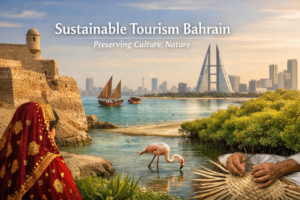
Bahrain is building a future for travel that respects its past and protects its environment. This guide explains sustainable tourism in Bahrain. It shows you how to visit while supporting local communities and conserving natural resources. We will cover key destinations, practical tips, and the principles that make travel here meaningful. Your choices as a visitor directly support sustainable tourism in Bahrain and its long-term vision.
Sustainable tourism in Bahrain is a method of travel. It aims to reduce negative impacts and increase positive benefits for the environment, culture, and local economy. For a nation with limited natural resources and rich history, this approach is not a trend. It is essential for preservation.
Defining Eco-Tourism vs. Sustainable Travel
People often use the terms “eco-tourism” and “sustainable travel” together. They have different focuses. Eco-tourism is a subset. It involves travel to natural areas that conserves the environment. It also improves the well-being of local people. Sustainable tourism in Bahrain is the broader framework. It includes eco-tourism but also applies to cultural and urban visits. A trip to a wildlife reserve is eco-tourism. Choosing a locally-owned hotel in Manama and using public transport is sustainable travel. Both concepts work together in Bahrain.
The Environmental and Cultural Imperative in Bahrain
Bahrain faces specific challenges. Water scarcity and coastal development pressure its ecosystems. Its ancient heritage, from burial mounds to pearling history, requires active preservation. Sustainable tourism in Bahrain addresses these points directly. It encourages water conservation at hotels. It promotes visits to cultural sites with managed tourist numbers. This model ensures tourism revenue helps protect the very attractions visitors come to see. It turns travelers into partners in conservation.
The Core Principles of Sustainable Tourism in Bahrain
The success of sustainable tourism in Bahrain rests on three connected principles. These principles guide decisions from government policy to your daily travel choices.
Supporting Local Communities and Economies
True sustainability puts money into local hands. This means choosing Bahraini-owned guesthouses, eating at family-run restaurants, and hiring local guides. When you buy handicrafts from a souq artisan, you support a traditional skill. This economic benefit helps communities value and maintain their cultural identity. It creates a direct link between tourism and community prosperity.
Minimizing Environmental Footprint and Waste
Tourism uses resources. The goal is to reduce that use. In Bahrain, this focuses on energy and water conservation, and reducing plastic waste. Travelers can participate. Choose hotels with visible sustainability policies. Refuse single-use plastics. Use a refillable water bottle. Take short showers. These small actions, multiplied by many visitors, significantly reduce the overall footprint of sustainable tourism in Bahrain.
Preserving Bahrain’s Cultural Heritage and Nature
This principle is about respect. It means visiting heritage sites like Qal’at al-Bahrain (Bahrain Fort) responsibly. Stay on marked paths. Do not touch ancient structures. In natural areas like the Hawar Islands, it means observing wildlife from a distance. Your behavior ensures these treasures exist for future visitors. It shows that tourism can be a force for protection, not degradation.
Top Sustainable Destinations and Eco-Tourism Spots in Bahrain
Bahrain offers diverse experiences that align with green travel values. These destinations are leaders in the practice of sustainable tourism in Bahrain.
Al Areen Wildlife Park & Reserve: A Conservation Success
Al Areen is more than a zoo. It is a dedicated conservation reserve for Arabian wildlife. It focuses on breeding programs for endangered species like the Arabian oryx and sand gazelle. Visiting supports their work. It is a clear example of eco-tourism where your entry fee funds direct conservation action and environmental education.
The Authentic Charm of Bahrain’s Traditional Souqs
Souqs like Manama Souq and Muharraq Souq are hubs for sustainable travel. They are living cultural spaces. Shopping here supports local merchants and craftspeople. You can find handmade pottery, traditional fabrics, and local spices. Engaging with vendors supports the local economy and keeps traditional market culture alive. It is a direct application of sustainable tourism principles.
Messilah Beach and Coastal Conservation Efforts
Coastal areas are vital in Bahrain. Messilah Beach is a public beach known for its clean environment and family atmosphere. Enjoying such spaces responsibly is key. Always take your trash with you. Respect any protected dune areas. Support for clean, well-managed public beaches encourages authorities to invest in their upkeep and environmental management.
The Hawar Islands: A Sanctuary for Biodiversity
Located off Bahrain’s southern coast, the Hawar Islands are a protected archipelago. They are a UNESCO candidate site and a vital sanctuary for birdlife, including the largest colony of Socotra cormorants in the world. Tourism here is strictly managed to minimize disturbance. Visiting on an approved tour operator’s trip demonstrates how low-impact tourism can fund the protection of critical habitats.
How to Be a Green Traveler in Bahrain: A Practical Guide
Your daily choices define your trip’s impact. This practical guide helps you implement sustainable tourism in Bahrain.
Choosing Eco-Conscious Accommodations and Hotels
Look for hotels with certified green practices. Many in Bahrain now participate in the national sustainability initiatives. Check if they have water-saving systems, energy-efficient lighting, waste recycling programs, and source food locally. Your choice rewards businesses that invest in sustainable operations.
Sustainable Transportation: Getting Around Responsibly
Bahrain’s size makes green transport feasible. Use the modern public bus network to reduce carbon emissions. For shorter distances in cities like Manama, consider walking or using ride-hailing apps for shared rides. If you rent a car, choose a fuel-efficient or hybrid model. Limiting private car use directly reduces pollution.
Supporting Local: Restaurants, Crafts, and Tours
Make “local” your default. Eat at restaurants serving traditional Bahraini cuisine like machboos or fresh fish. Book tours with operators who employ Bahraini guides. Purchase gifts from the souq instead of imported souvenirs. This keeps tourism spending within the community, strengthening the local economy and preserving cultural authenticity.
Challenges and Future of Sustainable Tourism in Bahrain
The growth of sustainable tourism in Bahrain involves ongoing work and future planning.
Balancing Development with Environmental Protection
A key challenge is managing new tourism development in ecologically sensitive areas, like coastlines. The future requires careful planning to ensure infrastructure growth does not damage natural habitats. This balance is central to the long-term vision for tourism in the kingdom.
Government Initiatives and the 2030 Sustainability Vision
The Bahraini government has clear frameworks. The Supreme Council for Environment oversees a 10-year program for sustainable consumption. The national Sustainable Development Goals portal highlights tourism as a focus area. These policies aim to align the entire tourism sector with environmental and social goals by 2030.
How Travelers Can Advocate for Positive Change
Travelers have power. You advocate by choosing sustainable businesses. You can provide positive feedback to hotels doing good work. Share your responsible travel experiences online. Ask tour operators about their conservation partnerships. Demand for green options encourages more businesses to adopt sustainable practices.
Common Mistakes to Avoid in Sustainable Tourism
Good intentions can sometimes lead to negative outcomes. Awareness prevents these common errors.
Greenwashing: Identifying Truly Eco-Friendly Options
Greenwashing is when a business exaggerates its environmental efforts. Avoid this by looking for specifics. Do not just trust labels like “eco-friendly.” Look for real actions. Does the hotel have a water recycling plant? Does the tour operator contribute a portion of fees to a local conservation group? Real sustainability has details you can verify.
Unintentional Harm to Cultural Sites and Wildlife
Loving a place too much can damage it. Do not climb on ancient burial mounds or historic structures. The oils from your hands degrade stone. Do not feed or chase wildlife to get a photo. Stress harms animals. Always follow guidelines provided at heritage and natural sites. Your respect is the most important tool for preservation.
Conclusion
Sustainable tourism in Bahrain is a shared journey. Your visit is an opportunity to contribute positively. By choosing local, respecting nature and culture, and minimizing waste, you become part of Bahrain’s sustainability story. Each responsible traveler helps ensure the kingdom’s unique heritage and environment thrive for generations.
(FAQs)?
Is Bahrain good for eco-tourism?
Yes. Bahrain offers specific, high-quality eco-tourism experiences. The Al Areen Wildlife Reserve and the Hawar Islands are prime examples. These are managed with conservation as a primary goal. The growing focus on sustainable tourism in Bahrain means more such options are developing.
What is Bahrain doing for sustainable development?
Bahrain has integrated sustainable development into its national planning. Key initiatives include the Supreme Council for Environment’s 10-year sustainable consumption program and the national commitment to the UN Sustainable Development Goals (SDGs). The tourism sector is a specific focus within these broader government-led sustainability frameworks.
What are examples of sustainable tourism activities?
Examples in Bahrain include visiting the Al Areen reserve to support wildlife conservation, shopping at traditional souqs to support local artisans, taking a responsibly managed boat tour to the Hawar Islands, and dining at restaurants that source ingredients from local Bahraini farms and fishermen.
Plan Your Sustainable Bahrain Adventure
Start your planning with intention. Research hotels with strong environmental policies. Look for tour operators who emphasize local guides and conservation. Bookmark this guide as a reference for making responsible choices. Your adventure in Bahrain can be enriching for you and beneficial for the destination. Begin your journey into sustainable tourism in Bahrain today.